
Introduction
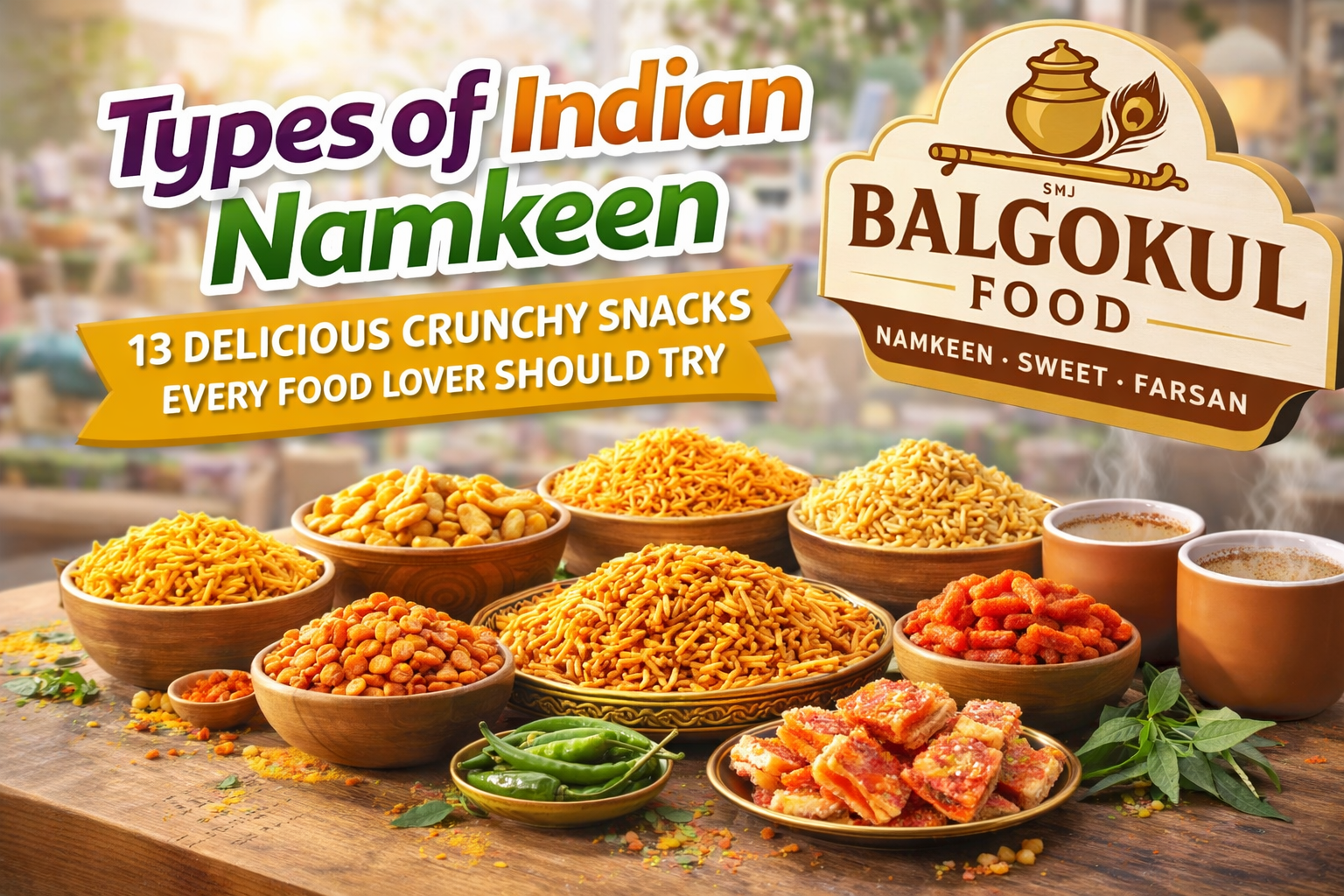
Indian cuisine is often celebrated for its rich spices, vibrant flavors, and diverse regional dishes. Yet beyond elaborate meals and festive sweets, there is another category of food that plays a daily role in Indian life — namkeen. Understanding the different types of Indian namkeen reveals how deeply these savory snacks are woven into everyday culture.
The word “namkeen” simply means savory or salty, but in practice it represents a wide family of crunchy snacks enjoyed across the country. From spicy sev to crispy gathiya, these snacks accompany morning tea, afternoon conversations, road trips, and festive gatherings.
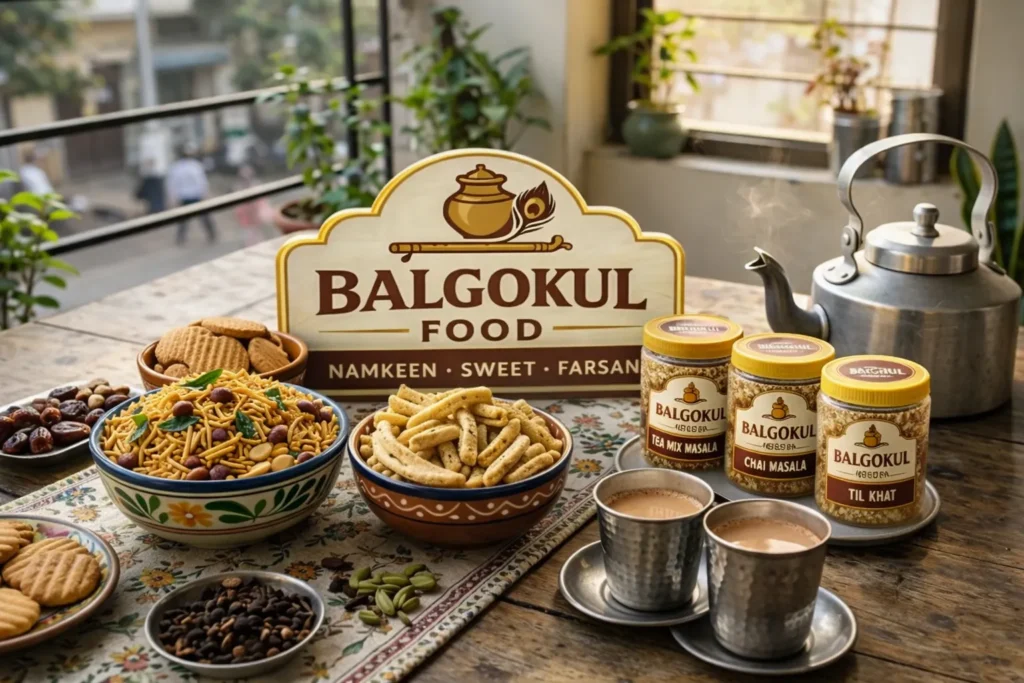
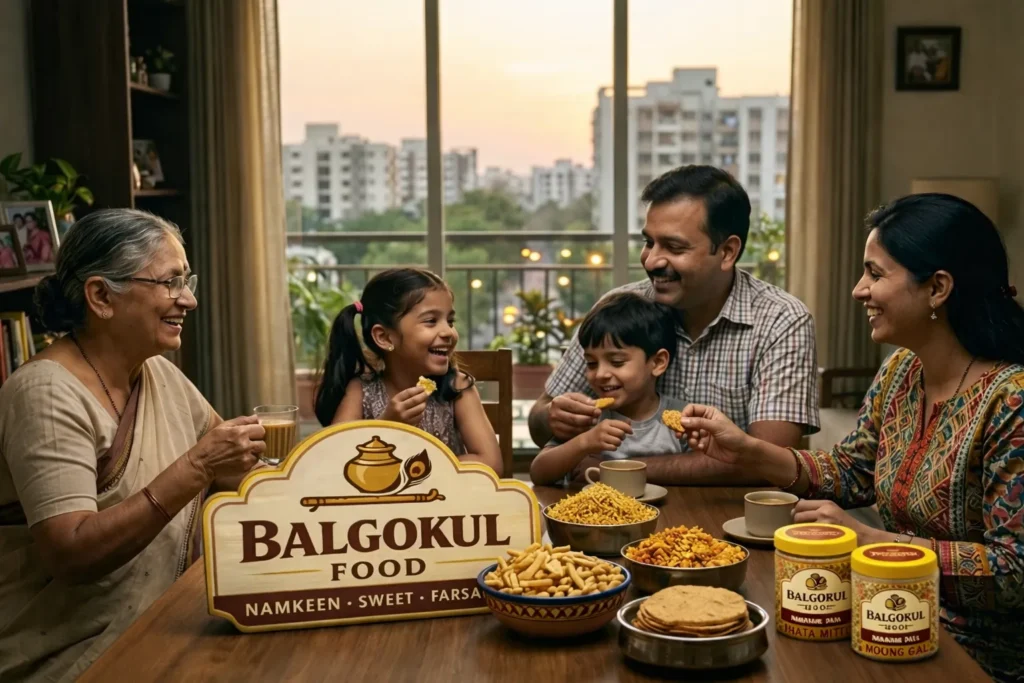
For many households, namkeen is more than a snack. It is a symbol of hospitality. When guests arrive unexpectedly, a bowl of crunchy namkeen and a cup of tea often appear instantly on the table. The simplicity of this gesture reflects a long-standing cultural tradition: sharing food as a sign of warmth and welcome.
The variety of types of Indian namkeen is also remarkable. Each region contributes its own specialty. Gujarat is known for farsan such as gathiya and sev. Rajasthan offers bold, spicy mixtures like Ratlami sev. Northern India often enjoys crunchy snacks with tea, while modern packaged snacks bring new flavors to younger audiences.
Today, namkeen continues to evolve. Traditional recipes remain popular, but modern snack brands have also introduced new textures and seasoning styles. Despite these changes, the essence of namkeen remains the same — crunchy, flavorful, and easy to share.
Exploring the many types of Indian namkeen provides a glimpse into India’s snack culture, where small bites often create the biggest moments of enjoyment.
Ad
Discover the Taste Authentic Indian Snacks in UK | SignUP and Get £30 FREE Wallet Credit
Get the £30 FREE Wallet Credit
Sign UP Now →Why Namkeen Snacks Are So Popular in India
One reason namkeen remains so widely loved is its versatility. Unlike many snacks that are associated with specific occasions, namkeen fits naturally into almost any moment of the day.
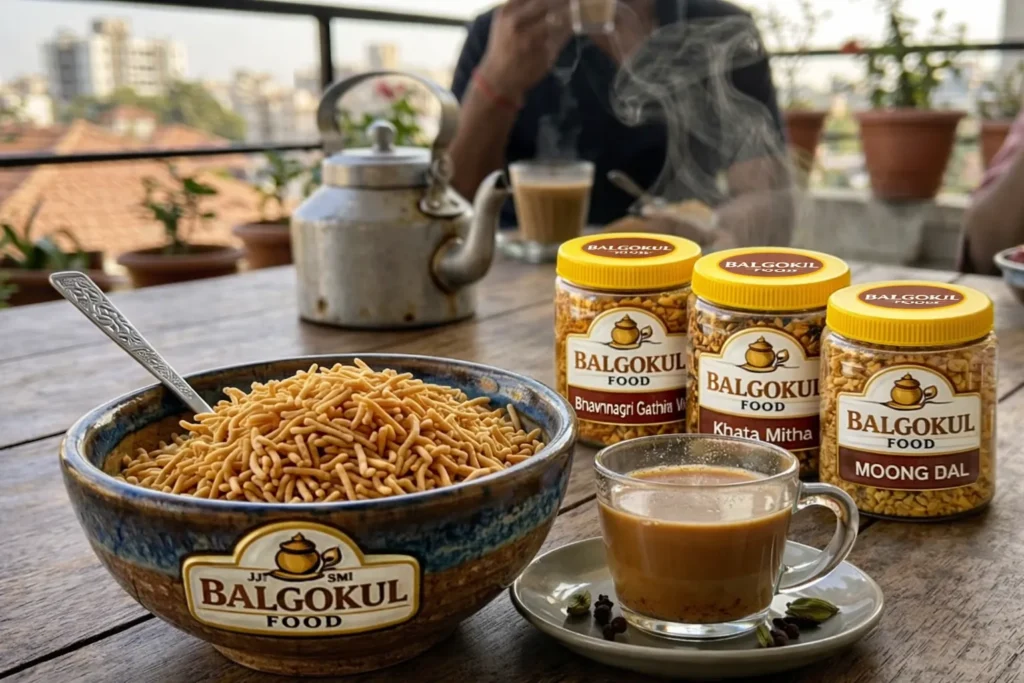
Morning tea breaks often include light savory snacks that complement the warmth of chai. In offices, namkeen bowls appear during meetings or informal conversations. Families also keep jars of crunchy snacks ready for guests who visit without notice.
Another reason for the popularity of types of Indian namkeen is texture. Many Indian snacks focus on crispness and crunch. These textures create a satisfying contrast to soft foods such as sweets or bread.
Spices also play an important role. Namkeen snacks often feature mild seasoning that stimulates appetite without overpowering the palate. This balance allows people to enjoy small portions repeatedly throughout the day.
Finally, namkeen snacks are convenient. They can be served instantly, require no reheating, and are easy to share with multiple guests. This practicality explains why namkeen remains one of the most enduring snack traditions in India.
Ad
Discover the Taste Authentic Indian Snacks in UK | SignUP and Get £30 FREE Wallet Credit
Get the £30 FREE Wallet Credit
Sign UP Now →Sev: One of the Most Iconic Indian Namkeen Snacks
Among the many types of Indian namkeen, sev holds a special place. Made from gram flour dough and deep fried into thin crispy strands, sev is known for its delicate crunch and mild spice.
Sev is extremely versatile. It can be eaten alone as a snack, sprinkled over chaat dishes, or added to mixtures for additional texture. Different regions produce their own variations, each with slightly different spice levels and thickness.
Why BalGokul Foods Bikaneri Sev Reflects Classic Namkeen Flavor
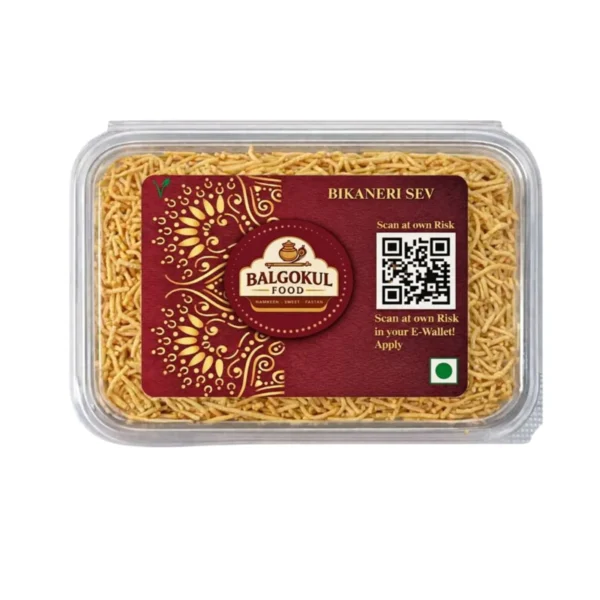
BalGokul Foods Bikaneri Sev
₹45.00
Experience the authentic taste of tradition with BalGokul Foods Bikaneri Sev. Made using premium moth bean flour and gram flour, blended with aromatic spices and fried to crispy perfection, this sev delivers a bold, spicy…
In stock
Bikaneri sev is famous for its thin strands and slightly spicy taste.
| Key Ingredient | Purpose |
|---|---|
| Besan (Gram Flour) | Creates the signature crispy texture. |
| Salt | Enhances savory flavor. |
| Spices | Adds mild heat and aroma. |
Its light texture makes it one of the most recognizable types of Indian namkeen served across the country.
Ad
Discover the Taste Authentic Indian Snacks in UK | SignUP and Get £30 FREE Wallet Credit
Get the £30 FREE Wallet Credit
Sign UP Now →Gujarati Farsan and the Culture of Gathiya
Gujarati cuisine is famous for its farsan — savory snacks that often accompany tea or light meals. Among these snacks, gathiya stands out for its unique texture and flavor.
Unlike thin sev, gathiya strands are thicker and softer while still maintaining a crisp bite. The dough is made from gram flour and seasoned lightly, allowing the natural flavor of the ingredients to shine.
Why BalGokul Foods Vanela Gathiya Represents Traditional Farsan
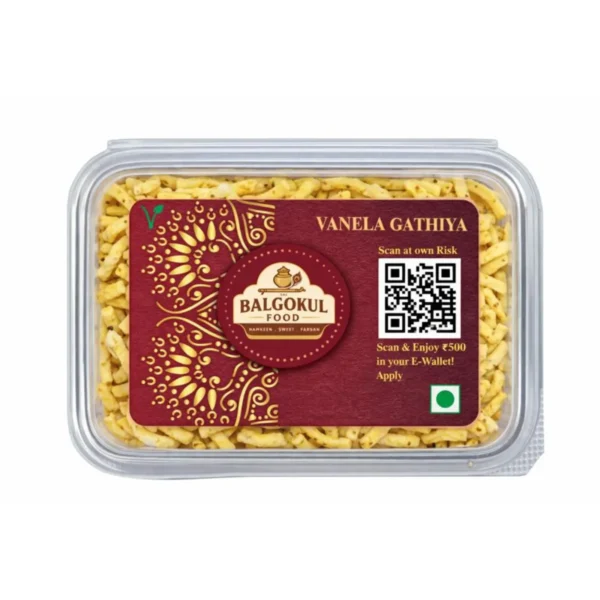
BalGokul Foods Vanela Gathiya – Crispy Traditional Gujarati Snack | Fresh & Crunchy
₹35.00
Experience the authentic taste of tradition with BalGokul Foods Vanela Gathiya. Made using premium gram flour and slow-fried to golden perfection, this classic Gujarati snack delivers a light, crispy texture with a subtle blend of…
In stock
| Key Ingredient | Purpose |
|---|---|
| Besan | Forms the base of the dough. |
| Ajwain | Adds aromatic flavor. |
| Salt | Balances the savory taste. |
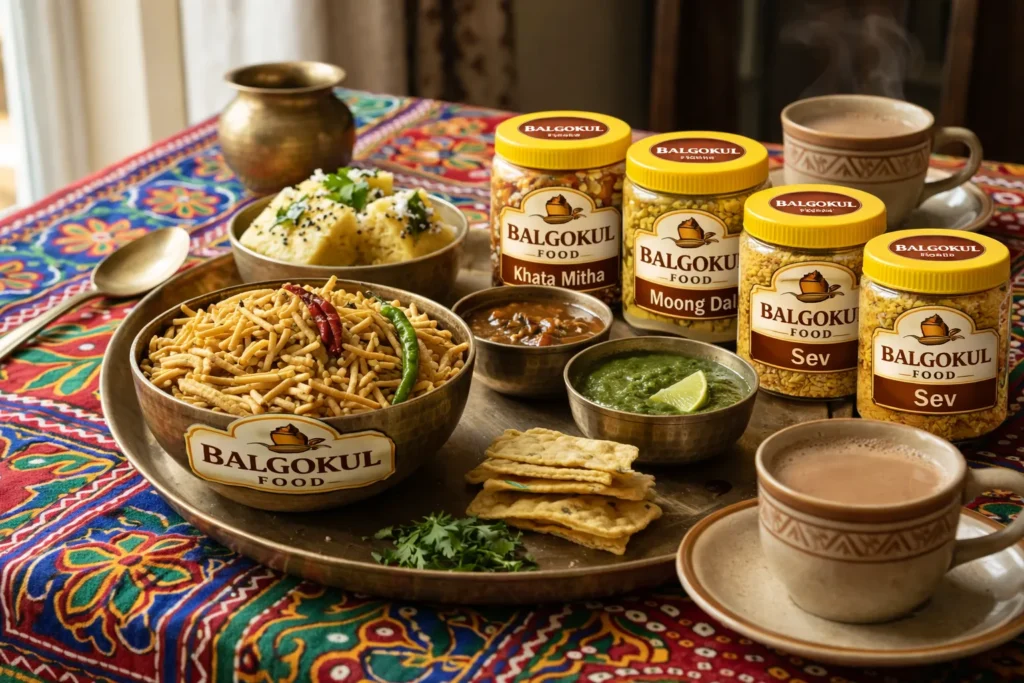
Gathiya is one of the most beloved types of Indian namkeen, especially in Gujarat where it is often served with fried chilies and tea.
Ad
Discover the Taste Authentic Indian Snacks in UK | SignUP and Get £30 FREE Wallet Credit
Get the £30 FREE Wallet Credit
Sign UP Now →Spicy Namkeen Varieties That Add Bold Flavor
Some types of Indian namkeen are known for their bold spice levels. These snacks appeal to people who enjoy intense flavors and crunchy textures.
Ratlami sev, for example, is famous for its strong seasoning and peppery taste. This snack originated in Ratlam, Madhya Pradesh, and quickly became popular across India.
Why BalGokul Foods Ratlami Sev Adds Spicy Crunch
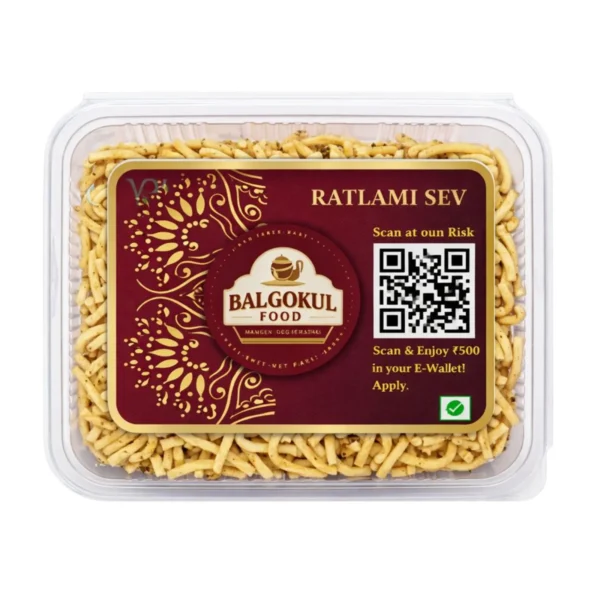
BalGokul Foods Ratlami Sev
₹45.00
Experience the bold, authentic taste of Central India with BalGokul Foods Ratlami Sev. Made using chickpea flour and moth bean flour, and infused with a robust blend of traditional spices, this sev delivers a strong…
In stock
| Key Ingredient | Purpose |
|---|---|
| Gram Flour | Provides structure and crunch. |
| Black Pepper | Creates the distinctive spicy taste. |
| Spice Mix | Adds bold aroma. |
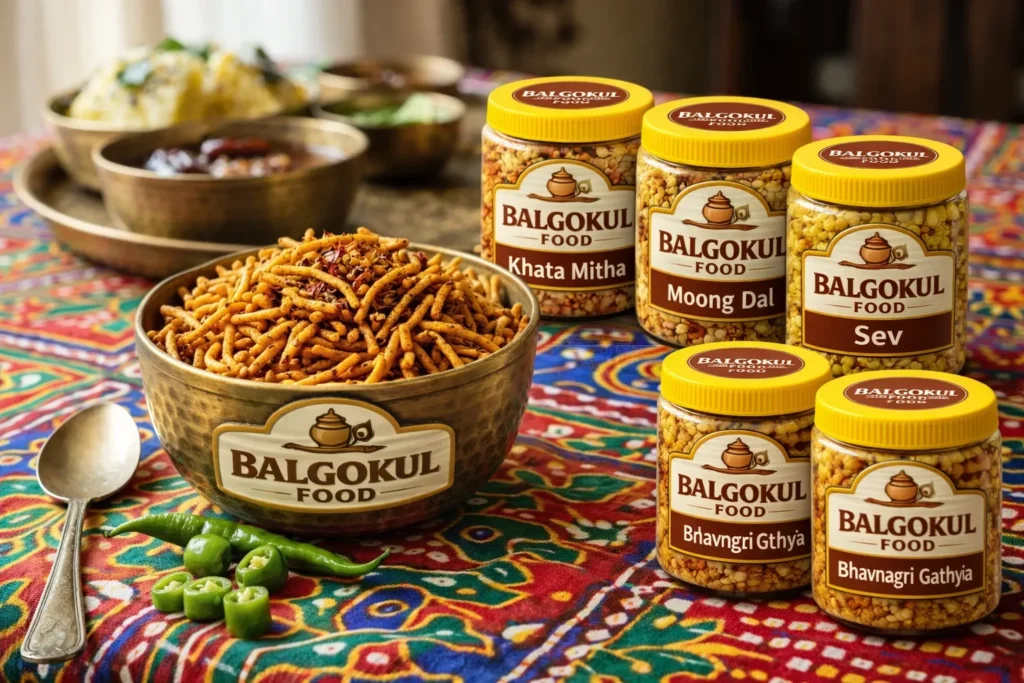
These spicy varieties add excitement to the long list of types of Indian namkeen enjoyed across different regions.
Ad
Discover the Taste Authentic Indian Snacks in UK | SignUP and Get £30 FREE Wallet Credit
Get the £30 FREE Wallet Credit
Sign UP Now →Modern Crunch Snacks in Indian Namkeen Culture
While traditional snacks remain popular, modern snack styles have also become part of the namkeen category. Crunchy sticks and flavored snacks are especially popular among younger audiences.
Why BalGokul Foods Tomato Sticks Represent Modern Namkeen
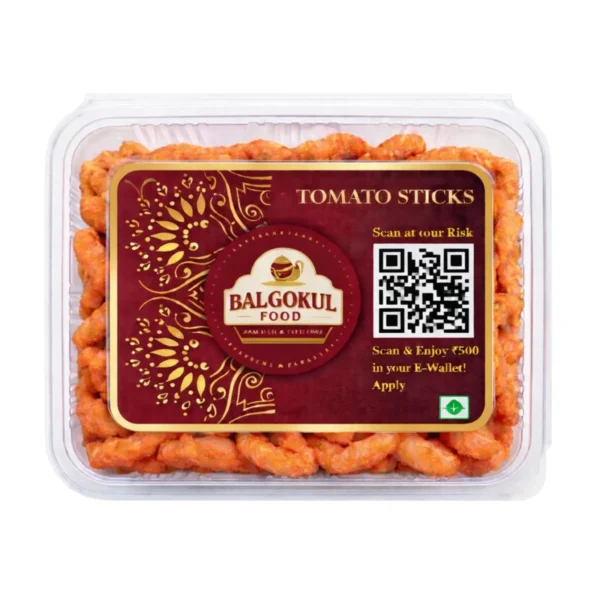
BalGokul Foods Tomato Sticks
₹32.00
Enjoy a bold burst of tangy flavor with BalGokul Foods Tomato Sticks, a crunchy namkeen snack made from rice meal, corn meal, and gram meal, blended with carefully selected spices and a hint of tomato…
In stock
| Key Ingredient | Purpose |
|---|---|
| Corn & Flour Base | Creates crunchy texture. |
| Tomato Flavor | Adds tangy taste. |
| Seasoning | Enhances snack flavor. |
These snacks show how the range of types of Indian namkeen continues to expand with new textures and flavors.
Ad
Discover the Taste Authentic Indian Snacks in UK | SignUP and Get £30 FREE Wallet Credit
Get the £30 FREE Wallet Credit
Sign UP Now →Conclusion: Types of Indian Namkeen Reflect India’s Rich Snack Culture
Across India, namkeen represents far more than simple snacking. These crunchy savory treats are deeply connected to hospitality, conversation, and everyday comfort. The wide range of types of Indian namkeen reflects the diversity of Indian cuisine itself, where each region contributes its own flavors and textures.
From delicate sev to thick gathiya and spicy Ratlami mixtures, the variety of types of Indian namkeen ensures that there is something for every taste preference. Some snacks are mild and light, perfect for afternoon tea, while others are bold and spicy, adding excitement to social gatherings and festive celebrations.
One of the most interesting aspects of types of Indian namkeen is how they blend tradition with innovation. Classic farsan recipes continue to be loved across generations, while modern snack styles introduce new flavor experiences for younger audiences. This combination keeps namkeen culture alive and constantly evolving.
These snacks also play an important social role. When guests arrive unexpectedly, offering a bowl of namkeen and a cup of chai remains one of the simplest expressions of hospitality. In this way, the many types of Indian namkeen become part of everyday rituals that bring people together.
Ultimately, the enduring popularity of types of Indian namkeen shows how small snacks can carry big cultural meaning. Whether served during festive celebrations, shared during evening tea, or enjoyed during casual conversations with friends, namkeen continues to represent the warmth and generosity of Indian food culture.
Frequently Asked Questions
Yes, when enjoyed in moderation, Namkeen can be a satisfying everyday snack. The article discusses its appeal and balance.
The article describes the preparation style of Namkeen and how it contributes to texture and flavor.
Namkeen stands out due to its ingredients and taste profile. The post highlights what separates it from regular alternatives.
People prefer Namkeen because of its flavor, freshness, and consistency. The article explains how quality and preparation influence the experience.
Freshness, ingredients, and packaging quality are important. The guide explains what signals a better product.