
Introduction
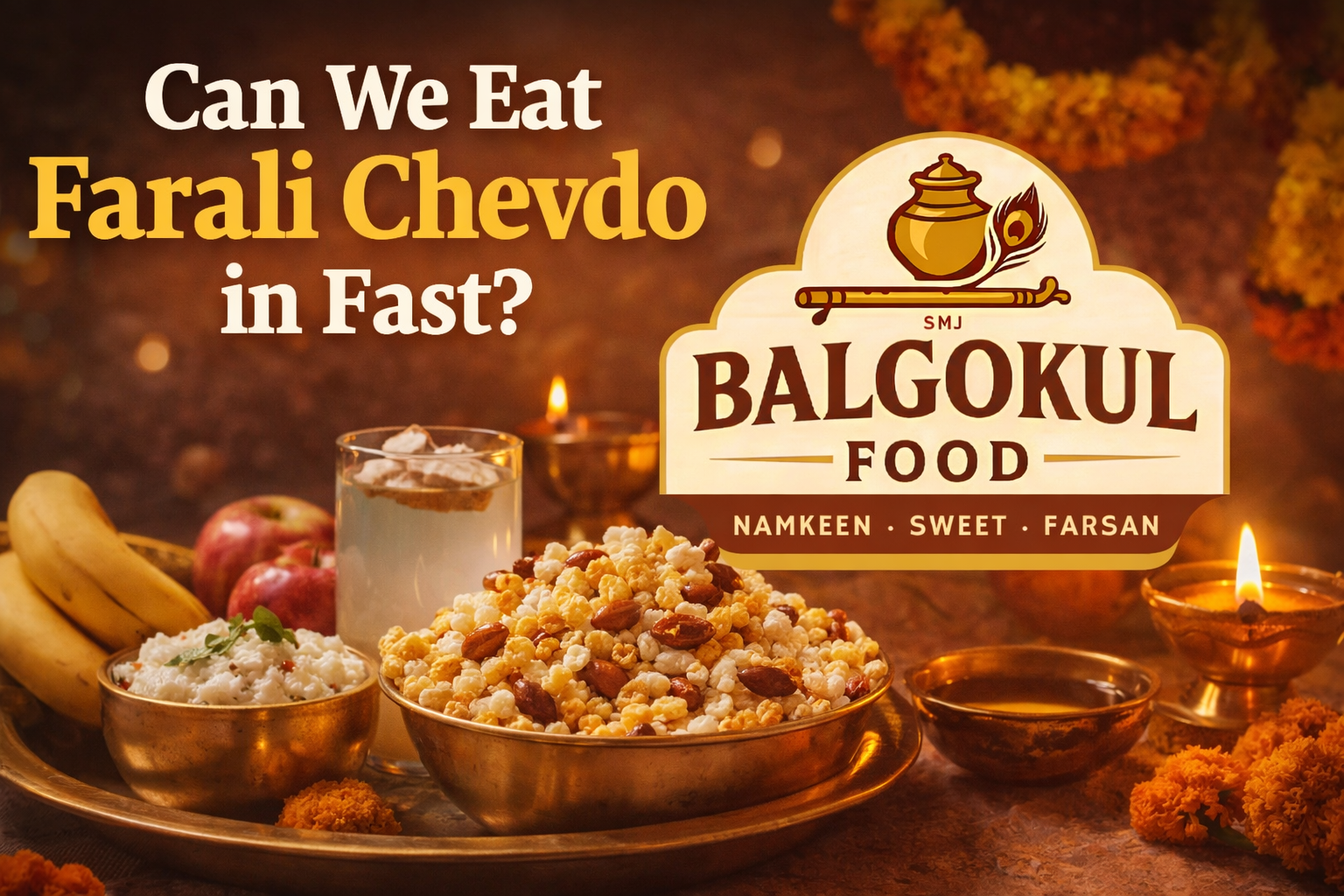
Can We Eat Farali Chevdo in Fast? This question comes up repeatedly during Ekadashi, Navratri, Maha Shivratri, Shravan Mondays, and many other sacred fasting days observed across India. Fasting in Indian tradition is not simply about skipping meals. It is a spiritual discipline rooted in devotion, self-control, purification, and mindful consumption. Every food item eaten during vrat is chosen with intention.
Across different regions, fasting practices vary. Some households follow strict water-only fasts. Others allow fruits and milk. Many follow a farali diet, which includes specific ingredients traditionally permitted during vrat. In Gujarat especially, farali snacks have become an essential part of fasting routines because they help sustain energy while still respecting religious guidelines.
Farali Chevdo is often seen during fasting days, yet confusion still remains. Does every farali product qualify? Are all spices allowed? Does oil matter? Can packaged farali snacks be trusted? The answer is not a simple yes or no. It depends on ingredient purity, preparation method, oil balance, and the specific vrat tradition being followed.
Understanding these factors helps you make an informed decision rather than relying on assumptions.
Ad
Discover the Taste Authentic Indian Snacks in UK | SignUP and Get £30 FREE Wallet Credit
Get the £30 FREE Wallet Credit
Sign UP Now →Ad
Discover the Taste Authentic Indian Snacks in UK | SignUP and Get £30 FREE Wallet Credit
Get the £30 FREE Wallet Credit
Sign UP Now →Understanding What “Farali” Truly Means During Vrat
The word “Farali” originates from “Falahar,” which refers to foods consumed during fasting. Farali foods are meant to exclude grains and ingredients that are considered unsuitable during vrat. This is where clarity becomes important. Many people assume that anything labeled “farali” is automatically acceptable, but fasting guidelines are more nuanced.
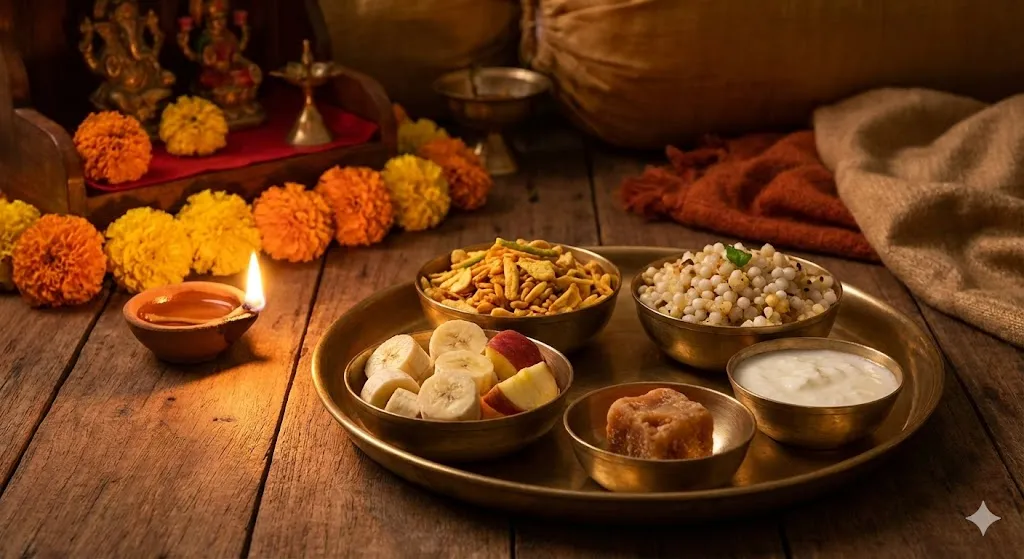
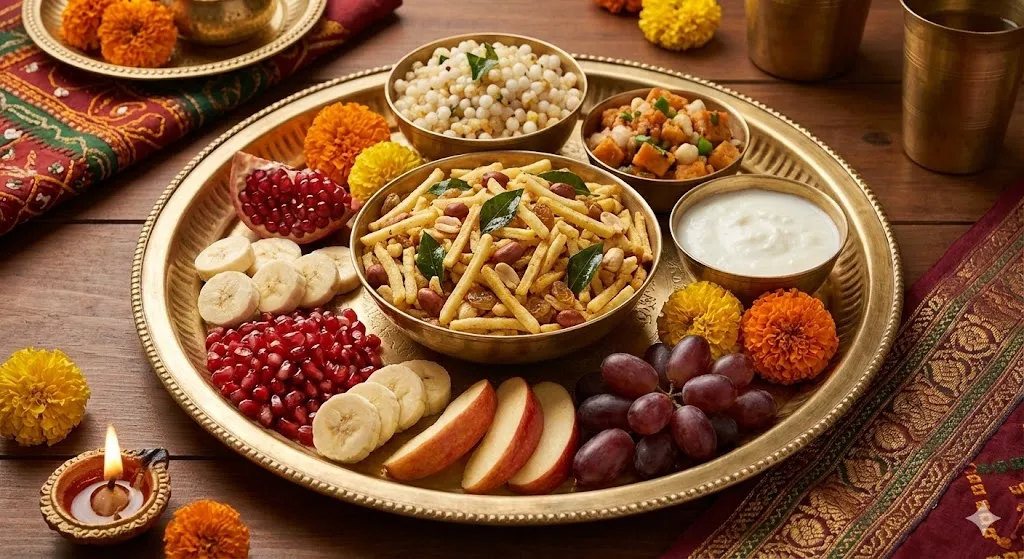
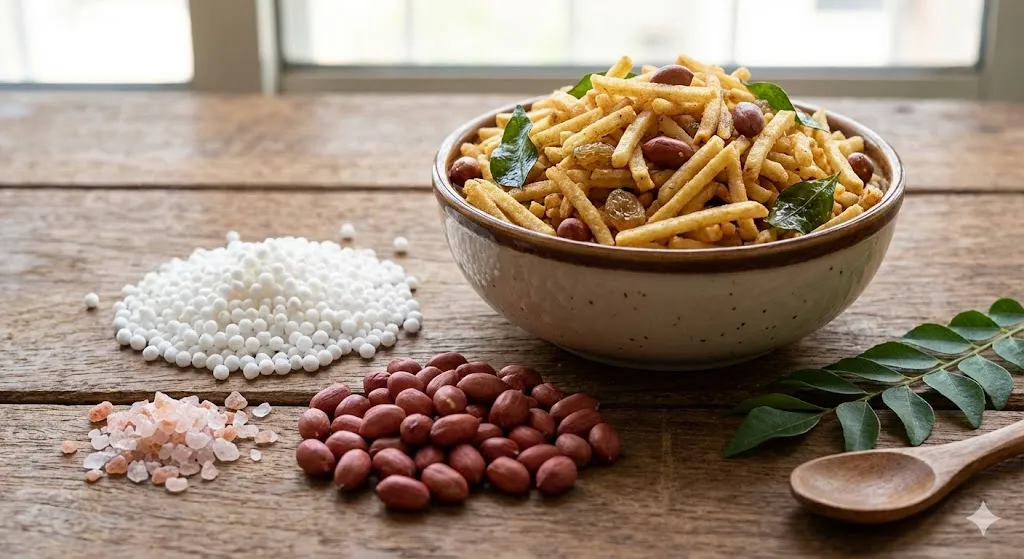
Traditionally permitted ingredients during most fruit-based fasts include sabudana (sago pearls), peanuts, potatoes, rock salt (sendha namak), certain mild spices, and select dry fruits. These ingredients are considered light, pure, and suitable for maintaining energy without violating vrat principles.
On the other hand, regular wheat flour, maida, corn flour, iodized salt, and certain spice mixes are typically restricted. In Ekadashi specifically, rice is also avoided. Because farali chevdo is often made from sabudana and peanuts, it is generally perceived as fasting-friendly. However, not all products follow strict ingredient discipline.
So when asking, Can We Eat Farali Chevdo in Fast, the first step is not looking at the name but examining the ingredient list carefully.
Ad
Discover the Taste Authentic Indian Snacks in UK | SignUP and Get £30 FREE Wallet Credit
Get the £30 FREE Wallet Credit
Sign UP Now →Ingredient Purity: The Real Deciding Factor
Ingredient purity is the most important factor in determining whether farali chevdo is suitable during fasting. Even a single restricted ingredient can technically break the vrat according to some traditions. This is why blindly trusting labels can create confusion.
A fasting-appropriate farali chevdo should contain:
- Sabudana as the primary carbohydrate base
- Peanuts for protein and healthy fats
- Rock salt instead of regular iodized salt
- Mild fasting-approved spices
- Edible oil used in controlled quantity
It should avoid:
- Wheat flour or grain derivatives
- Regular table salt
- Artificial flavor enhancers
- Complex spice blends containing prohibited ingredients
This is where brand reliability becomes essential. When the manufacturing process respects traditional fasting ingredients, it becomes easier to consume the product confidently during vrat.
Can We Eat Farali Chevdo in Fast During Ekadashi?
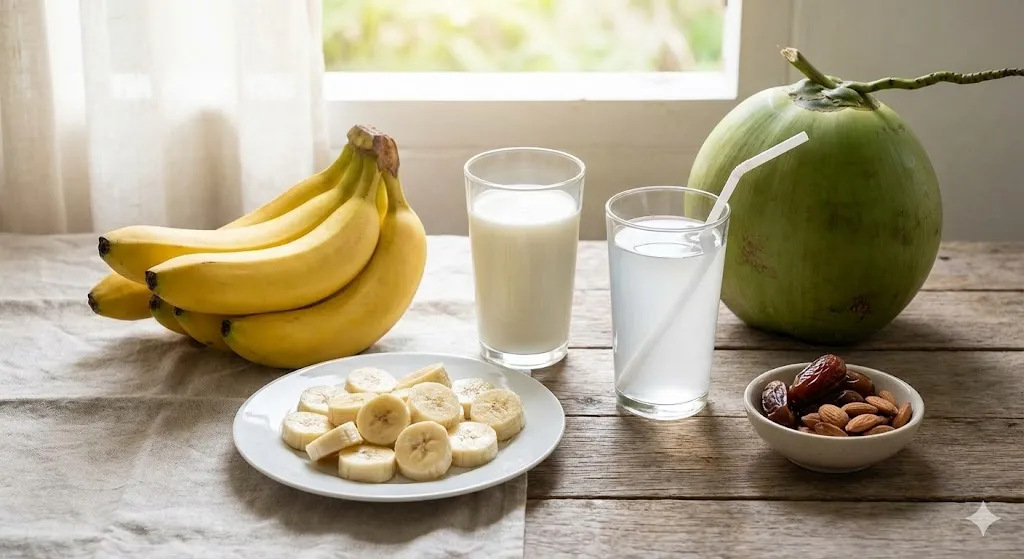
Ekadashi fasting practices vary significantly across India. Some devotees observe Nirjala Ekadashi, consuming only water. Others follow a fruit-based fast where sabudana and peanuts are allowed. In such cases, farali chevdo made strictly from permitted ingredients can be consumed in moderation.
However, one must consider two additional factors. First, portion control. Even if ingredients are allowed, overeating fried snacks may cause discomfort and defeat the purpose of fasting discipline. Second, oil sensitivity. Some individuals prefer to avoid fried foods entirely during Ekadashi, even if technically permitted.
Therefore, the answer to Can We Eat Farali Chevdo in Fast during Ekadashi depends on the specific vrat rules you follow. If your tradition allows sabudana and peanuts, and the chevdo uses rock salt without prohibited spices, it is generally acceptable in moderate portions.
Ad
Discover the Taste Authentic Indian Snacks in UK | SignUP and Get £30 FREE Wallet Credit
Get the £30 FREE Wallet Credit
Sign UP Now →Is Farali Chevdo Suitable During Navratri Fast?
Navratri fasting allows a slightly broader range of ingredients compared to some Ekadashi practices. Sabudana, peanuts, potatoes, singhara flour, and rock salt are commonly consumed. Because farali chevdo is typically made from sabudana and peanuts, it aligns naturally with Navratri fasting guidelines.
During Navratri, many working individuals require convenient snack options between fruit meals. Preparing sabudana khichdi daily may not always be practical. In such cases, ready-to-eat farali chevdo becomes a practical solution.
However, moderation remains important. Navratri is a nine-day spiritual observance, and overeating fried snacks may reduce digestive comfort. Choosing a product that uses balanced oil and clean ingredients helps maintain both discipline and physical comfort throughout the fast.
Ad
Discover the Taste Authentic Indian Snacks in UK | SignUP and Get £30 FREE Wallet Credit
Get the £30 FREE Wallet Credit
Sign UP Now →Ad
Discover the Taste Authentic Indian Snacks in UK | SignUP and Get £30 FREE Wallet Credit
Get the £30 FREE Wallet Credit
Sign UP Now →Oil Content and Digestive Comfort
A common misunderstanding is that fried food automatically breaks a fast. In most fasting traditions, oil itself is not prohibited. What matters is the ingredient base. However, oil balance directly affects digestion.
Farali chevdo prepared with excessive oil can feel heavy, especially when the stomach is relatively empty during fasting. Controlled oil usage ensures crisp texture without greasiness.
Balanced preparation allows:
- Better digestibility
- Reduced heaviness
- Sustained energy without discomfort
When eaten in small portions, farali chevdo does not conflict with the spirit of fasting discipline. It supports energy while maintaining mindful consumption.
Nutritional Role of Farali Chevdo During Fast
Fasting reduces regular meal frequency, which can lead to fatigue or low energy levels. Farali chevdo provides a combination of nutrients that help sustain energy during fruit-based fasts.
Sabudana provides carbohydrates that offer quick energy release. Peanuts contribute plant-based protein and healthy fats, which help maintain satiety. Rock salt supports electrolyte balance, especially important in warm climates.
This combination creates a snack that is not merely crunchy but functionally supportive during fasting. While it is not a complete meal, it works effectively as a mid-day supplement between fruit consumption.
Thus, when asking Can We Eat Farali Chevdo in Fast, from a nutritional standpoint the answer supports moderate consumption when ingredients are vrat-compliant.
Ad
Discover the Taste Authentic Indian Snacks in UK | SignUP and Get £30 FREE Wallet Credit
Get the £30 FREE Wallet Credit
Sign UP Now →Why BalGokul Foods Farali Chivda Fits
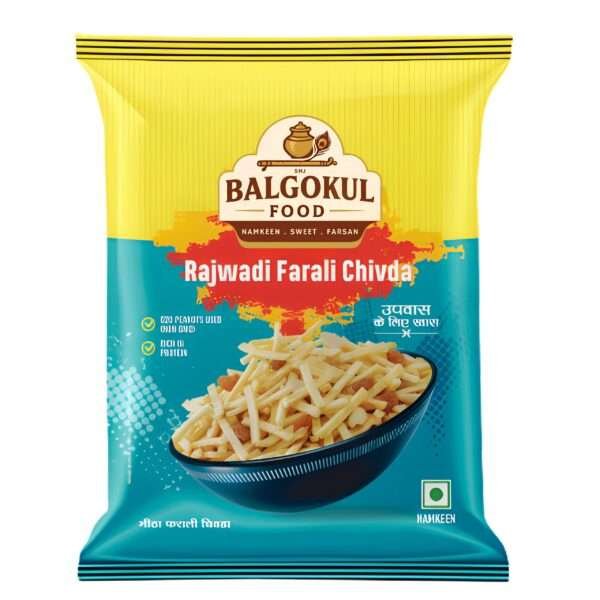
BalGokul Foods Rajwadi Farali Chivda – Fasting Special Crispy Namkeen | Upvas Friendly
₹42.00
Experience the rich and royal taste of fasting snacks with BalGokul Foods Rajwadi Farali Chivda. Specially prepared for Upvas and vrat, this crispy namkeen is made using carefully selected fasting-approved ingredients that deliver a perfect…
In stock
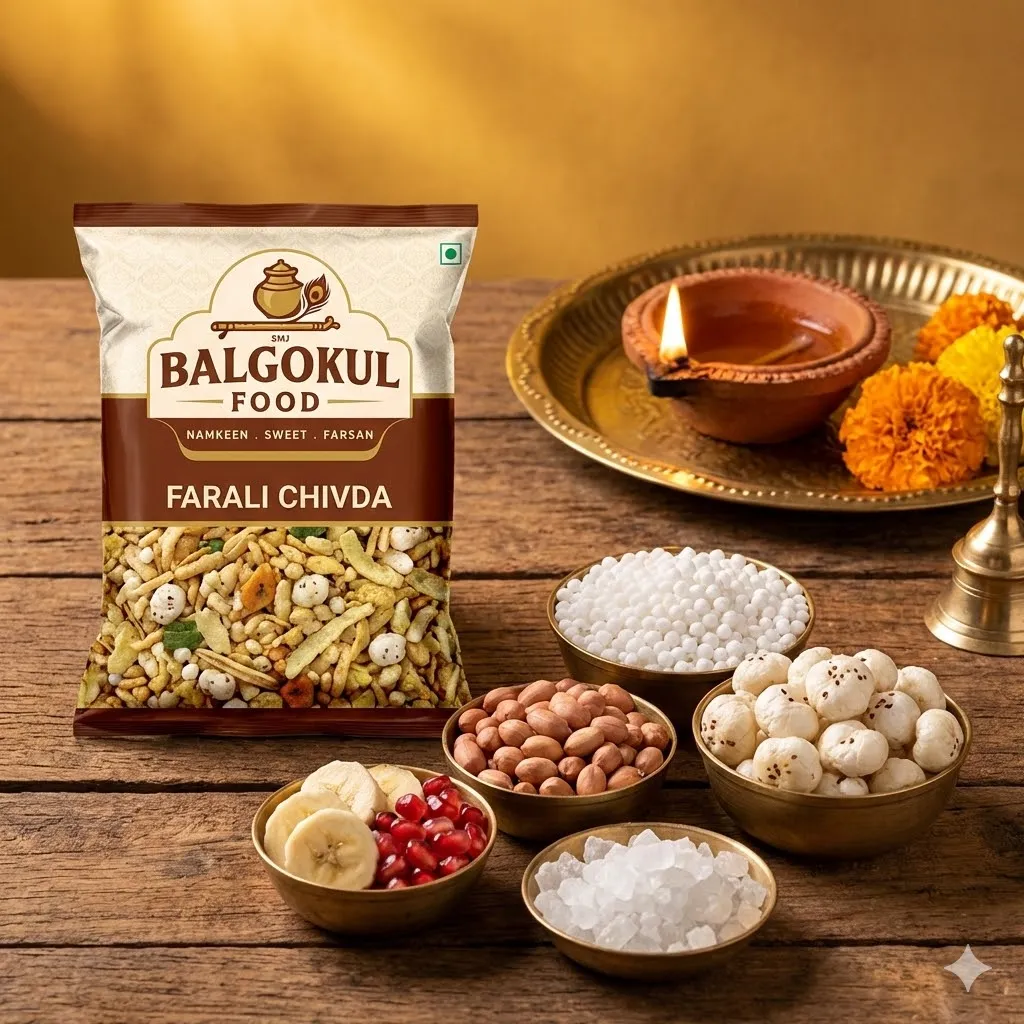
BalGokul Foods Rajwadi Farali Chivda is crafted specifically for fasting occasions, respecting Gujarati vrat traditions. Its ingredient composition includes sabudana, roasted peanuts, rock salt, mild spices, and controlled edible oil.
Each ingredient serves a purpose:
Sabudana helps maintain energy during long fasting hours.
Peanuts provide protein and healthy fats for sustained satiety.
Rock salt aligns with traditional fasting practices.
Balanced oil ensures crispness without excess heaviness.
Similarly, BalGokul Foods Teekha Farali Chivda and Mitha Farali Chivda offer variation while staying within fasting-friendly ingredient boundaries. The teekha version adds mild permitted spice warmth, while the mitha version provides subtle sweetness without compromising vrat principles.
These products are designed not as indulgent snacks but as supportive fasting companions, intended for controlled consumption.
Ad
Discover the Taste Authentic Indian Snacks in UK | SignUP and Get £30 FREE Wallet Credit
Get the £30 FREE Wallet Credit
Sign UP Now →When Should Farali Chevdo Be Avoided?
There are situations where farali chevdo should not be consumed during fasting:
- If observing Nirjala vrat
- If following strict fruit-only fasting
- If advised by doctor to avoid fried foods
- If allergic to peanuts
Religious discipline must never override personal health conditions. Each individual should adapt fasting practices according to both tradition and health needs.
Cultural Importance of Farali Snacks in Gujarat
Gujarat observes frequent fasting traditions throughout the year. Because many individuals balance professional life with religious observance, convenient fasting snacks are culturally significant.
Farali chevdo has become popular because it respects ingredient boundaries while providing practicality. It eliminates daily preparation effort and ensures consistency in taste and texture.
BalGokul Foods aligns with this cultural context by maintaining traditional ingredient integrity while offering hygienic packaging and consistent quality.
Final Conclusion: Can We Eat Farali Chevdo in Fast?
So ultimately, can we eat farali chevdo in fast?
Yes — when it is made strictly from fasting-approved ingredients such as sabudana, peanuts, and rock salt, and when consumed according to your specific vrat tradition.
Fasting is about discipline, balance, and devotion. Farali snacks are not meant to replace mindful eating but to support energy during extended hours without grains. Ingredient purity, moderate portion size, and adherence to personal religious rules are the deciding factors.
BalGokul Foods Rajwadi Farali Chivda, Teekha Farali Chivda, and Mitha Farali Chivda are formulated keeping traditional fasting principles in mind. Their ingredient structure aligns with commonly accepted vrat guidelines in Gujarat and beyond.
However, fasting practices differ from household to household. Always verify ingredients, respect your tradition, and consume in moderation. When chosen carefully, farali chevdo can serve as a reliable companion during fasting — offering convenience, energy, and comfort without compromising spiritual discipline.
Frequently Asked Questions
Freshness, ingredients, and packaging quality are important. The guide explains what signals a better product.
The article describes the preparation style of Farali and how it contributes to texture and flavor.
People prefer Farali because of its flavor, freshness, and consistency. The article explains how quality and preparation influence the experience.
Farali stands out due to its ingredients and taste profile. The post highlights what separates it from regular alternatives.
Yes, when enjoyed in moderation, Farali can be a satisfying everyday snack. The article discusses its appeal and balance.