
Introduction
Traditional Indian cuisine culture is not simply a collection of recipes. It is a reflection of India’s geography, spirituality, agriculture, climate, and family structure. In India, food is not separate from life — it is embedded in daily routine, festivals, travel, hospitality, and even emotional memory.
Every region in India has its own cooking rhythm. The spices used in Rajasthan differ from those in Gujarat. Coastal regions use coconut and rice; northern regions rely heavily on wheat. Yet despite this diversity, there is a unifying principle: balance. Sweet and spicy, soft and crunchy, rich and light — Indian cuisine is built on contrast and harmony.
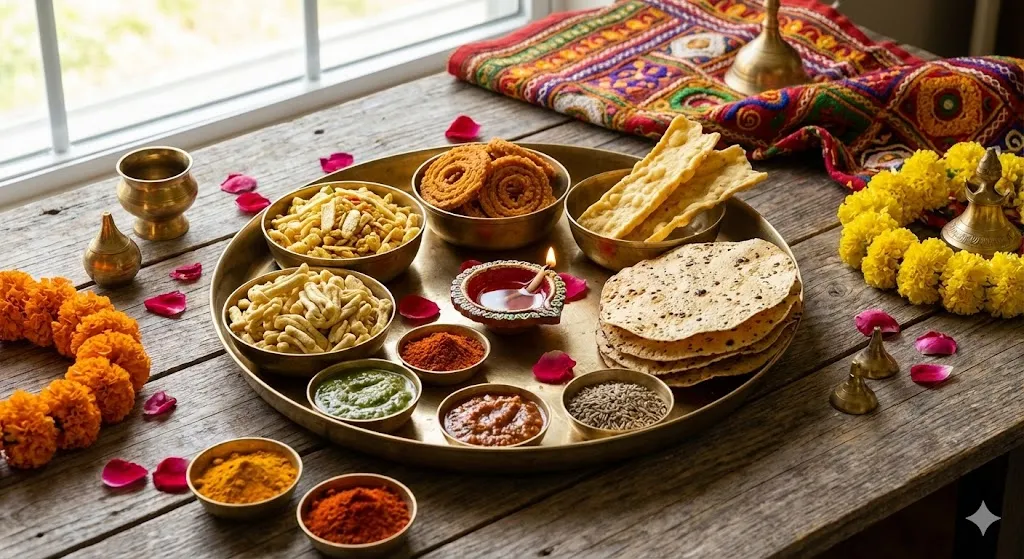
Snacks, in particular, hold a special position. Unlike many cultures where snacks are secondary, in India they are daily rituals. Morning tea, evening gatherings, festive celebrations, train journeys — traditional snacks are always present.
BalGokul Foods preserves this deep culinary heritage by maintaining authentic ingredient combinations and respecting traditional preparation methods across its product range. Through products like Vanela Gathiya, Bikaneri Sev, Masala Sev Murmura, Rajwadi Farali Chivda, Punjabi Papad, and Peanut Chikki, the brand continues the legacy of traditional Indian cuisine culture in modern households.
Indian cuisine culture is not fading — it is evolving while holding firmly to its roots.
Ad
Discover the Taste Authentic Indian Snacks in UK | SignUP and Get £30 FREE Wallet Credit
Get the £30 FREE Wallet Credit
Sign UP Now →Regional Identity and the Foundation of Indian Cuisine
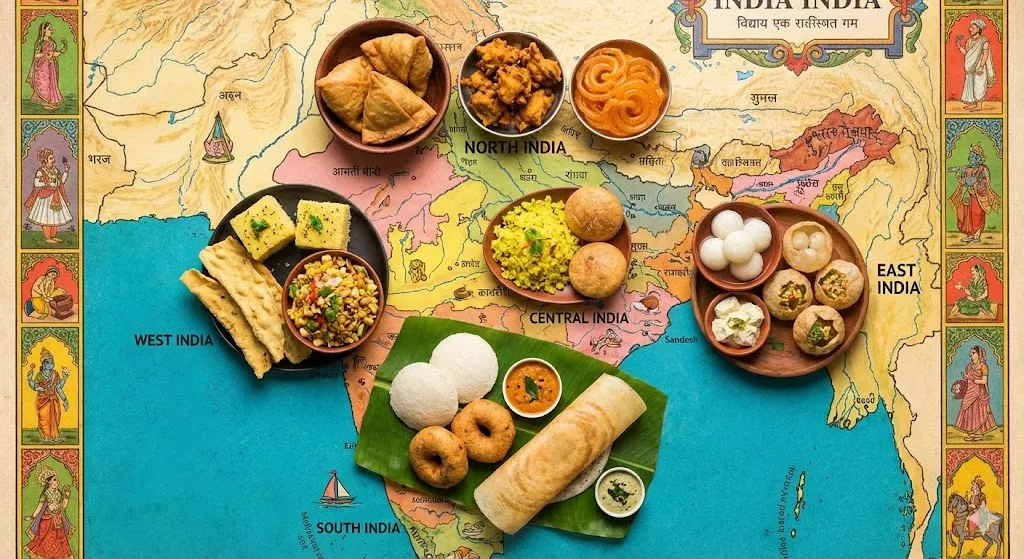
India’s culinary diversity is shaped by geography. Each region reflects its agricultural produce, climate, and cultural influences.
In Gujarat, farsan culture dominates daily snacking. In Rajasthan, fine sev varieties define spice craftsmanship. In Punjab, wheat-based foods form the meal base. Maharashtra favors murmura mixtures and chivda for portability.
Traditional Indian cuisine culture thrives on this diversity. It does not aim for uniformity; it celebrates variation.
Bikaneri Sev, for example, represents Rajasthani snack heritage. Its thin strands, gram flour base, and balanced spice blend reflect desert-region culinary adaptation. BalGokul Foods Bikaneri Sev respects this traditional structure by using quality besan, edible oil, and carefully measured spice levels to preserve authentic texture.
Regional snacks are not random creations. They are shaped by centuries of adaptation.
Ad
Discover the Taste Authentic Indian Snacks in UK | SignUP and Get £30 FREE Wallet Credit
Get the £30 FREE Wallet Credit
Sign UP Now →Vanela Gathiya: Gujarati Tea-Time Tradition Preserved
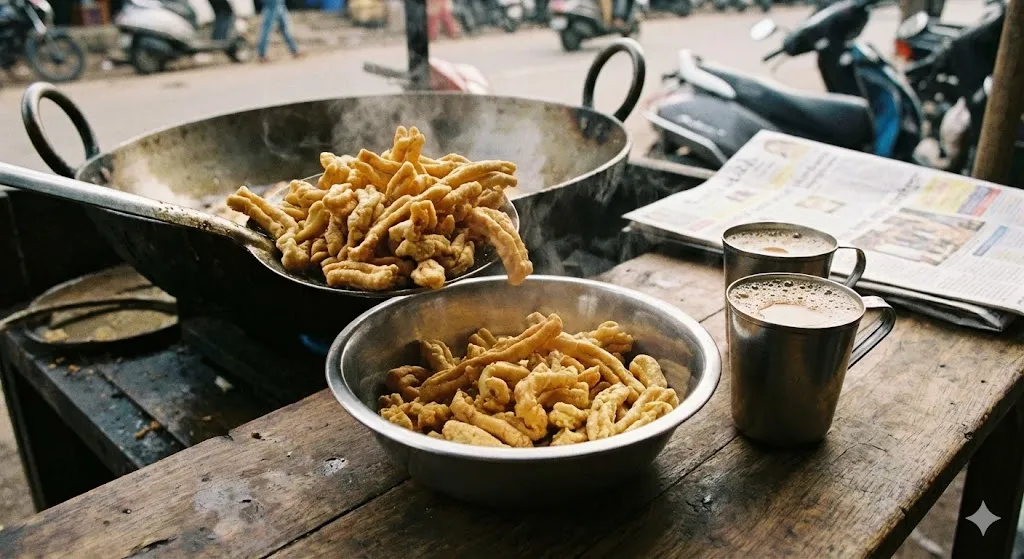
Vanela Gathiya is more than a crunchy snack. In Gujarat, it is a daily ritual. Morning chai often feels incomplete without it. Its mild flavor and soft crunch make it ideal for pairing with tea.
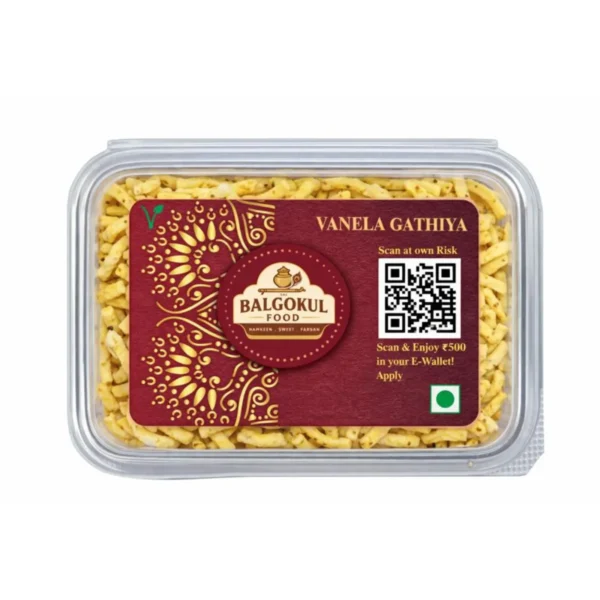
BalGokul Foods Vanela Gathiya – Crispy Traditional Gujarati Snack | Fresh & Crunchy
₹35.00
Experience the authentic taste of tradition with BalGokul Foods Vanela Gathiya. Made using premium gram flour and slow-fried to golden perfection, this classic Gujarati snack delivers a light, crispy texture with a subtle blend of spices…
In stock
BalGokul Foods Vanela Gathiya is prepared using:
- High-quality gram flour (besan)
- Edible oil
- Salt
- Mild traditional spices
Gram flour is protein-rich and widely used in traditional Indian cuisine. Its earthy flavor forms the backbone of many snacks. The dough must be soft yet firm, and frying temperature must be carefully controlled to achieve the light texture that defines authentic gathiya.
Nutritionally, besan provides plant-based protein and moderate fiber. When consumed in balanced portions, Vanela Gathiya becomes a cultural comfort food rather than a heavy indulgence.
This snack represents how traditional Indian cuisine culture blends simplicity with craftsmanship.
Ad
Discover the Taste Authentic Indian Snacks in UK | SignUP and Get £30 FREE Wallet Credit
Get the £30 FREE Wallet Credit
Sign UP Now →Masala Sev Murmura: Lightness and Practicality in Snack Culture
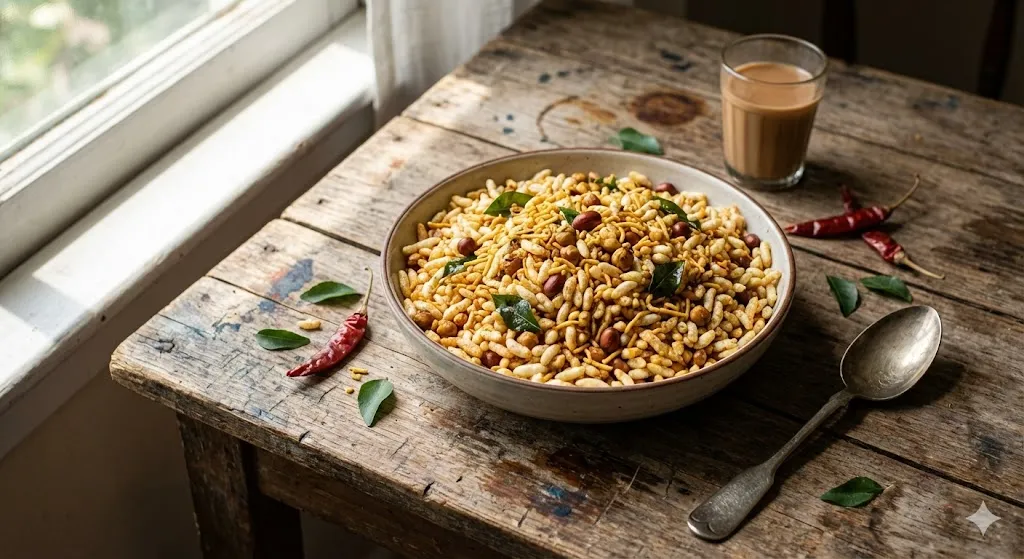
Traditional Indian cuisine culture values portability. Snacks were historically designed to travel well. Masala Sev Murmura reflects this practicality.
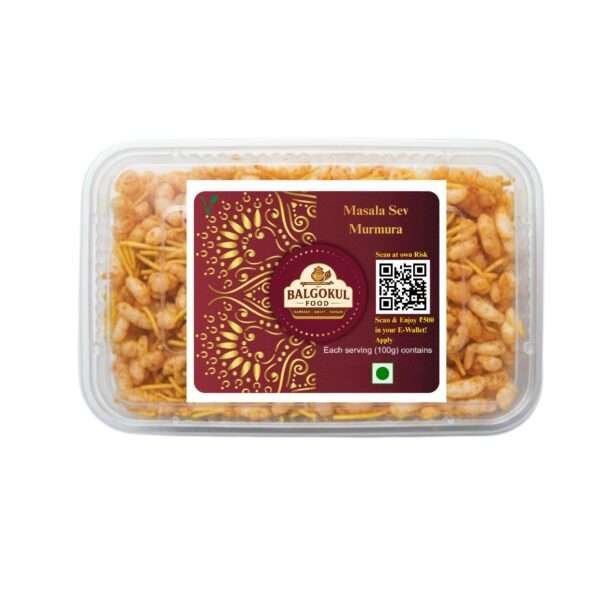
BalGokul Foods Masala Sev Murmura – Spicy Crunchy Puffed Rice Namkeen
₹50.00
Experience the authentic taste of tradition with BalGokul Foods Masala Sev Murmura. Made using crisp puffed rice blended with sev and a bold mix of Indian spices, this namkeen offers a light yet spicy crunch…
In stock
BalGokul Foods Masala Sev Murmura combines:
- Puffed rice (murmura)
- Fine sev
- Mild spices
- Controlled oil
- Salt
Puffed rice provides light carbohydrates, while sev adds crunch and flavor depth. This combination creates a snack that feels airy yet satisfying.
Unlike dense fried snacks, murmura-based mixtures feel lighter, making them suitable for travel, evening tea, or light snacking. The balanced spice profile ensures the snack is flavorful without overpowering the palate.
Masala Sev Murmura represents everyday practicality within traditional Indian cuisine culture — easy to share, easy to store, and easy to enjoy.
Ad
Discover the Taste Authentic Indian Snacks in UK | SignUP and Get £30 FREE Wallet Credit
Get the £30 FREE Wallet Credit
Sign UP Now →Rajwadi Farali Chivda: Spiritual Discipline Meets Culinary Craft
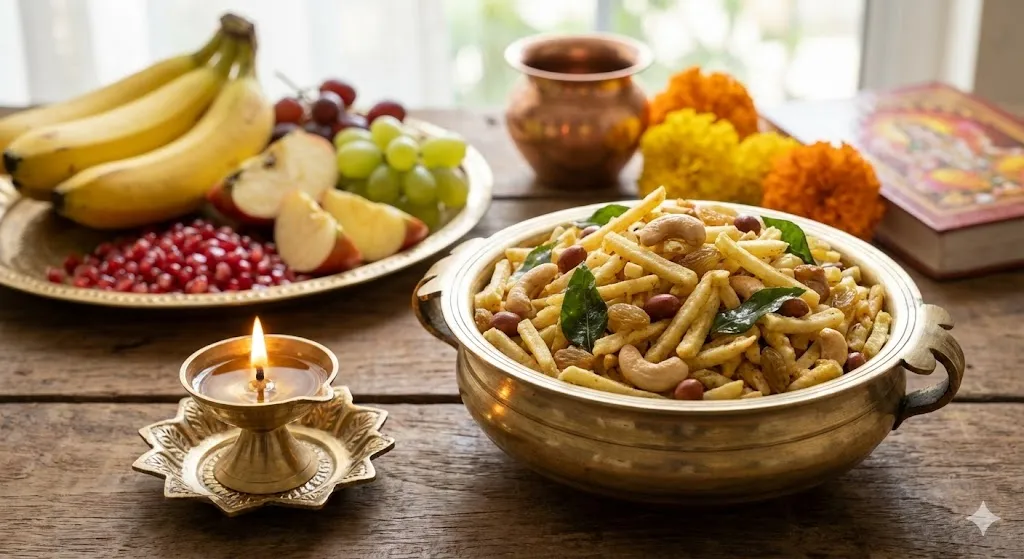
Fasting is an essential part of Indian culinary tradition. Traditional Indian cuisine culture adapts during religious observances without abandoning flavor.
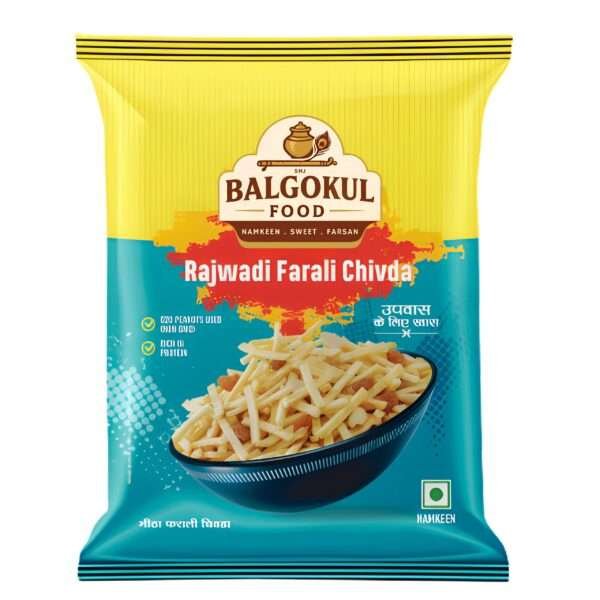
BalGokul Foods Rajwadi Farali Chivda – Fasting Special Crispy Namkeen | Upvas Friendly
₹42.00
Experience the rich and royal taste of fasting snacks with BalGokul Foods Rajwadi Farali Chivda. Specially prepared for Upvas and vrat, this crispy namkeen is made using carefully selected fasting-approved ingredients that deliver a perfect…
In stock
BalGokul Foods Rajwadi Farali Chivda is crafted using:
- Sabudana (sago pearls)
- Roasted peanuts
- Rock salt (sendha namak)
- Mild fasting-approved spices
- Balanced oil
Sabudana provides quick-release carbohydrates for energy during fasting. Peanuts contribute protein and healthy fats. Rock salt aligns with vrat guidelines.
This product reflects how traditional cuisine respects spiritual discipline while ensuring physical nourishment. It is not indulgence — it is mindful support during religious observance.
Rajwadi Farali Chivda demonstrates how Indian cuisine culture blends devotion with practicality.
Ad
Discover the Taste Authentic Indian Snacks in UK | SignUP and Get £30 FREE Wallet Credit
Get the £30 FREE Wallet Credit
Sign UP Now →Punjabi Papad: Completing the Indian Meal
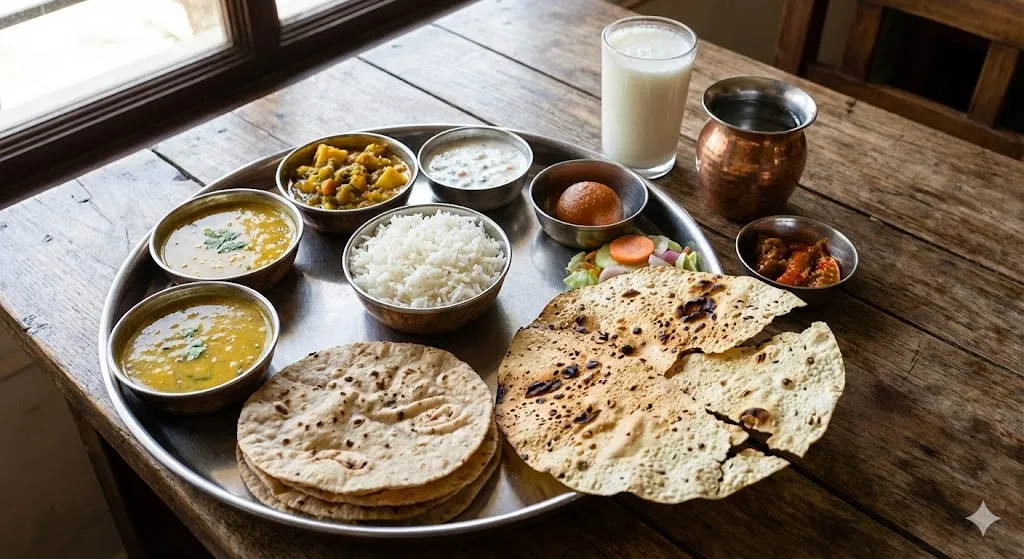
Papad is often underestimated. Yet in traditional Indian cuisine culture, a meal feels incomplete without it.
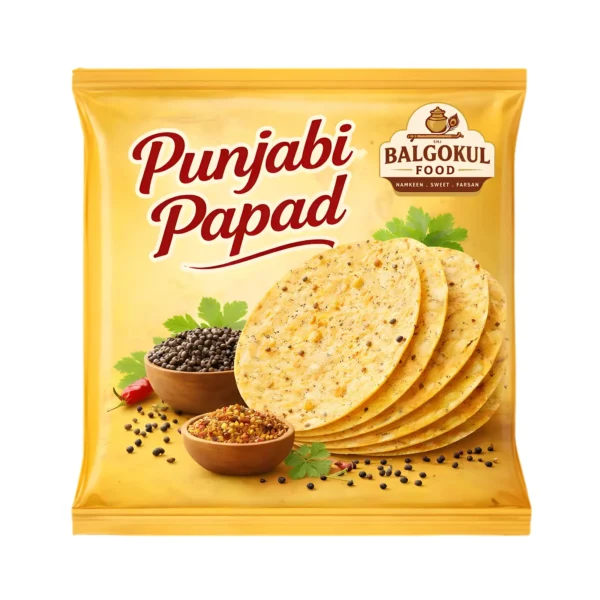
BalGokul Foods – Punjabi Papad
₹65.00
Bring home the bold, traditional taste of North India with BalGokul Foods Punjabi Papad. Made from high-quality urad dal (black gram) flour and blended with aromatic spices, this papad delivers a rich crunch with a…
In stock
BalGokul Foods Punjabi Papad is made using:
- Lentil flour (urad or moong base)
- Salt
- Traditional spice blend
Papad adds texture contrast to soft rotis and vegetables. It stimulates digestion and enhances meal experience.
Roasted or fried, papad connects simplicity with satisfaction. It reflects how Indian cuisine prioritizes sensory balance — crunchy with soft, spicy with mild.
Papad is not merely an accompaniment; it is a cultural constant.
Ad
Discover the Taste Authentic Indian Snacks in UK | SignUP and Get £30 FREE Wallet Credit
Get the £30 FREE Wallet Credit
Sign UP Now →Peanut Chikki: Seasonal Energy and Agricultural Roots
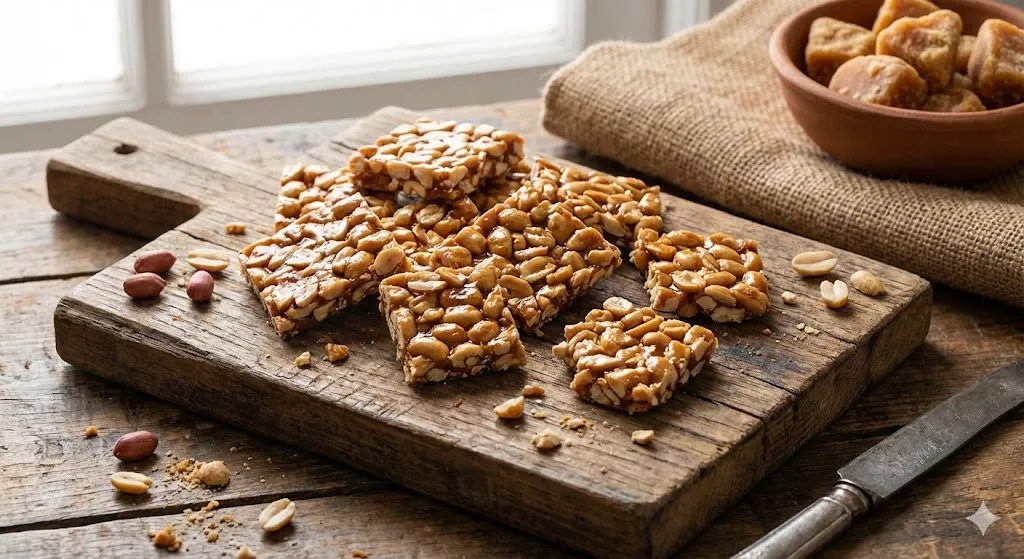
Traditional Indian cuisine culture follows seasonal rhythms. Winter often brings jaggery-based sweets like chikki.
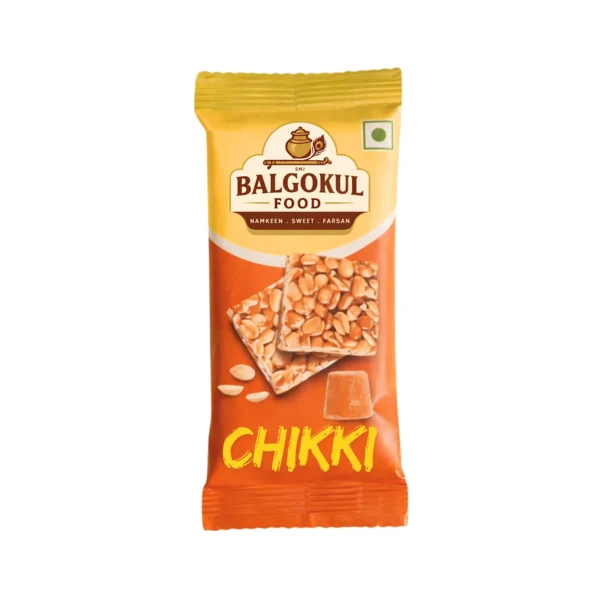
BalGokul Foods Peanut Chikki
₹10.00
BalGokul Foods Peanut Chikki is a classic Indian sweet snack prepared using high-quality peanuts and natural jaggery. Carefully roasted peanuts are bound with jaggery syrup to deliver the perfect crunch and authentic taste. This wholesome…
In stock
BalGokul Foods Peanut Chikki combines:
- Roasted peanuts
- Jaggery
Peanuts provide protein and healthy fats. Jaggery offers iron and natural sweetness. Together, they create an energy-dense snack ideal for colder seasons.
Chikki reflects agricultural heritage. It is simple, nutrient-rich, and rooted in harvest traditions.
This snack symbolizes how Indian cuisine culture integrates nutrition with seasonal awareness.
Ad
Discover the Taste Authentic Indian Snacks in UK | SignUP and Get £30 FREE Wallet Credit
Get the £30 FREE Wallet Credit
Sign UP Now →Spices: The Soul of Indian Cuisine
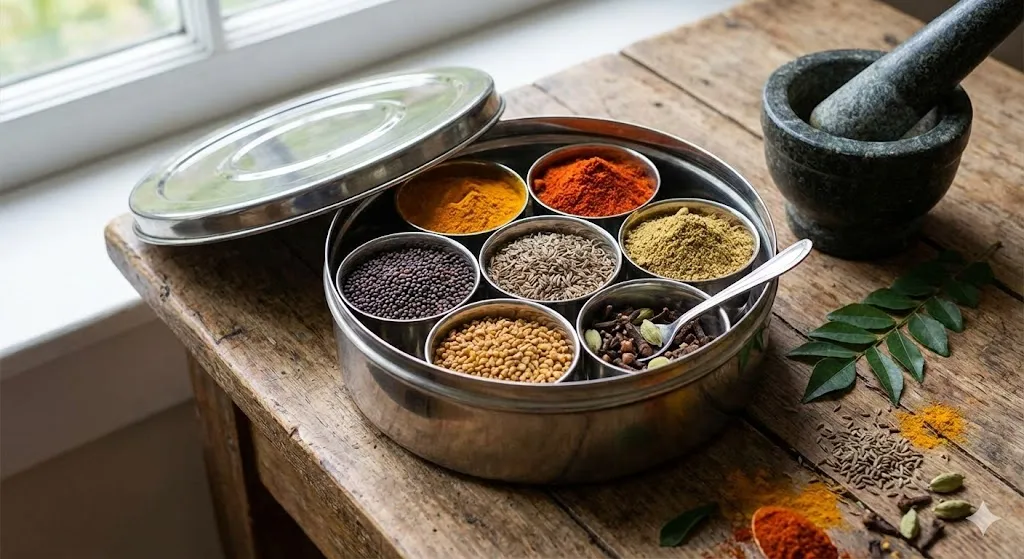
Spices define traditional Indian cuisine culture. Turmeric, cumin, coriander, red chilli — each carries culinary and medicinal importance.
BalGokul Turmeric Powder, Jeera Powder, and Coriander Powder reflect this heritage. Pure spices preserve authentic flavor and support digestive balance.
Indian cuisine does not rely on a single dominant spice. It layers flavors thoughtfully. This complexity defines global admiration for Indian food.
Ad
Discover the Taste Authentic Indian Snacks in UK | SignUP and Get £30 FREE Wallet Credit
Get the £30 FREE Wallet Credit
Sign UP Now →Modern Adaptation Without Cultural Loss
Urban life has reduced time for homemade snack preparation. Yet demand for authentic flavors remains.
BalGokul Foods bridges tradition and convenience by maintaining authentic ingredient ratios while ensuring hygienic packaging and consistency.
Traditional Indian cuisine culture survives because it adapts without compromising authenticity.
Conclusion: Why Traditional Indian Cuisine Culture Remains India’s Identity
Traditional Indian cuisine culture is not just about food preparation. It represents regional identity, spiritual practice, seasonal awareness, hospitality, and generational knowledge.
From Vanela Gathiya enjoyed with chai to Rajwadi Farali Chivda consumed during vrat, from Punjabi Papad completing meals to Peanut Chikki symbolizing winter harvest — each snack carries cultural meaning.
BalGokul Foods strengthens this continuity by respecting ingredient purity, preserving traditional flavor profiles, and maintaining regional authenticity.
In a rapidly modernizing world, traditional Indian cuisine culture remains a powerful anchor. It connects past to present. It preserves memory. It reinforces identity.
Indian food is not simply eaten.
It is experienced, shared, and inherited.
And that is why traditional Indian cuisine culture continues to define India’s taste.
Frequently Asked Questions
The article describes the preparation style of Indian and how it contributes to texture and flavor.
Yes, when enjoyed in moderation, Indian can be a satisfying everyday snack. The article discusses its appeal and balance.
Freshness, ingredients, and packaging quality are important. The guide explains what signals a better product.
Indian stands out due to its ingredients and taste profile. The post highlights what separates it from regular alternatives.
People prefer Indian because of its flavor, freshness, and consistency. The article explains how quality and preparation influence the experience.