

Introduction
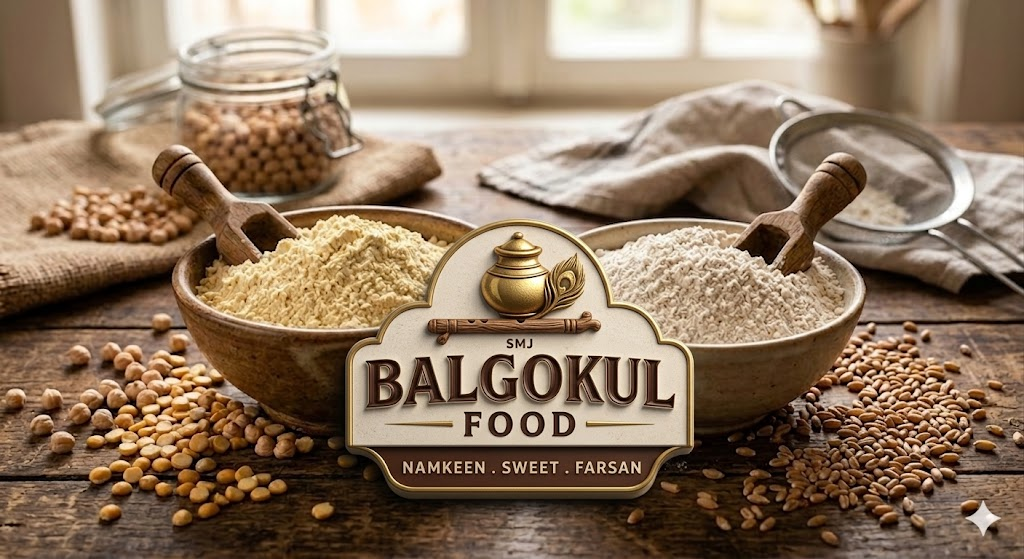
Across Indian kitchens, flour is more than a simple ingredient. It shapes everyday meals, defines snack traditions, and influences how people cook across different regions. When discussing common ingredients used in Indian cooking, one comparison appears frequently: besan vs wheat flour.
For generations, households have relied on both of these ingredients for preparing meals, snacks, and festive foods. Yet the conversation around besan vs wheat flour has grown stronger in recent years as people become more aware of nutrition, digestion, and healthier cooking choices.
Wheat flour has long been associated with staples such as rotis and parathas, while besan — made from ground Bengal gram — is widely used in snacks like sev, gathiya, dhokla, and chilla. Because both ingredients appear so frequently in Indian food, the comparison of besan vs wheat flour naturally raises questions about nutrition, cooking versatility, and digestive comfort.
Understanding the differences between these two ingredients does not mean replacing one entirely with the other. Instead, the goal is to appreciate their unique roles in Indian cooking. By exploring the real differences between besan vs wheat flour, it becomes easier to understand how traditional foods evolved and why both ingredients remain essential today.
Understanding the Origins of Besan and Wheat Flour
Ad
Discover the Taste Authentic Indian Snacks in UK | SignUP and Get £30 FREE Wallet Credit
Get the £30 FREE Wallet Credit
Sign UP Now →Before exploring the deeper comparison of besan vs wheat flour, it helps to understand where these ingredients come from.
Besan is produced by grinding Bengal gram (chana dal) into a fine flour. Because it is made from a legume, it naturally contains protein, fiber, and complex carbohydrates.
Wheat flour, on the other hand, comes from grinding wheat grains. It forms the foundation of breads, rotis, and several staple dishes.
The discussion of besan vs wheat flour therefore begins with their agricultural origins. One is derived from legumes, while the other comes from cereal grains. This fundamental difference influences everything from nutrition to digestion.
1. Nutritional Profile Differences
One of the most important aspects when comparing besan vs wheat flour is nutrition.
Besan is naturally richer in protein because it comes from legumes. Protein plays an important role in supporting muscle health and maintaining satiety after meals.
Wheat flour contains carbohydrates that provide energy. However, depending on how the wheat flour is processed, the fiber content may vary.
This nutritional distinction explains why discussions around besan vs wheat flour often appear in conversations about balanced diets and mindful eating.
2. Digestive Comfort and Gut Health
Ad
Discover the Taste Authentic Indian Snacks in UK | SignUP and Get £30 FREE Wallet Credit
Get the £30 FREE Wallet Credit
Sign UP Now →Another reason the debate around besan vs wheat flour continues to grow is digestion.
Besan contains fiber that helps slow digestion and create a feeling of fullness. Many people find that gram flour-based dishes feel lighter when prepared properly with spices such as ajwain or cumin.
Wheat flour digestion varies depending on the individual. Some people digest it comfortably, while others prefer alternatives due to gluten sensitivity.
Because of these differences, the conversation about besan vs wheat flour often appears in discussions about digestive comfort.
3. Cooking Versatility
In Indian cooking, versatility is everything. When analyzing besan vs wheat flour, both ingredients demonstrate impressive flexibility.
Wheat flour is commonly used for:
- Rotis
- Parathas
- Pooris
- Breads
Besan appears in dishes such as:
- Chilla
- Dhokla
- Kadhi
- Sev and farsan snacks
This difference shows how the comparison of besan vs wheat flour is not about choosing one over the other. Instead, each flour serves different culinary purposes.
4. Role in Traditional Snacks
When discussing snack culture, besan vs wheat flour becomes especially interesting.
Besan forms the foundation of many iconic snacks such as sev and gathiya. Its ability to create crispy textures makes it ideal for savory snack preparation.
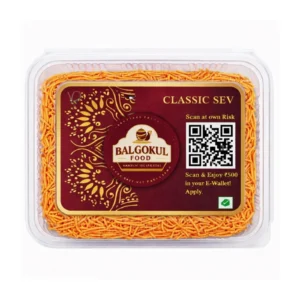
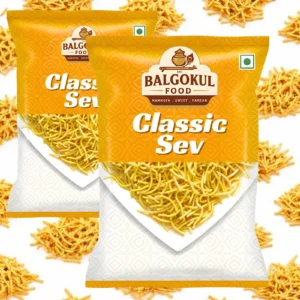
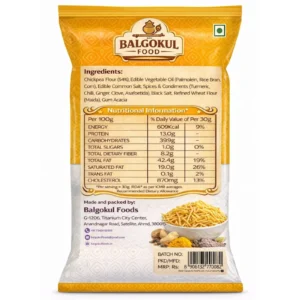
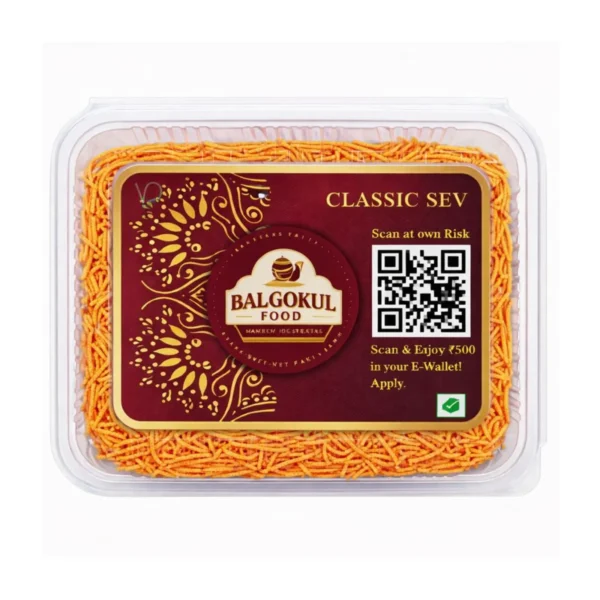
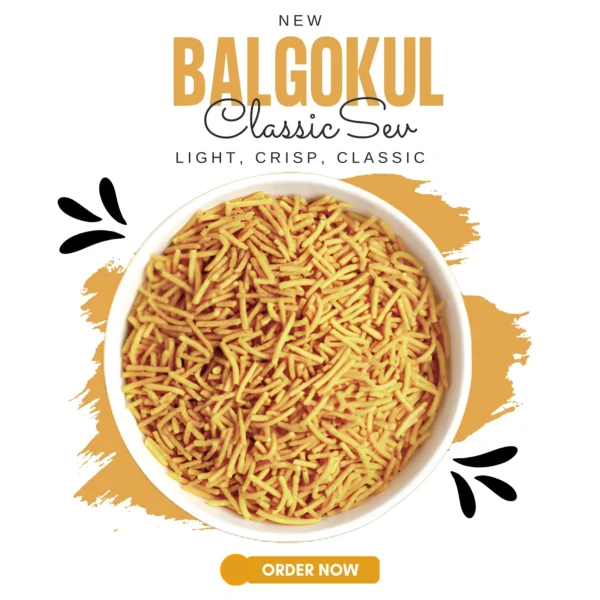
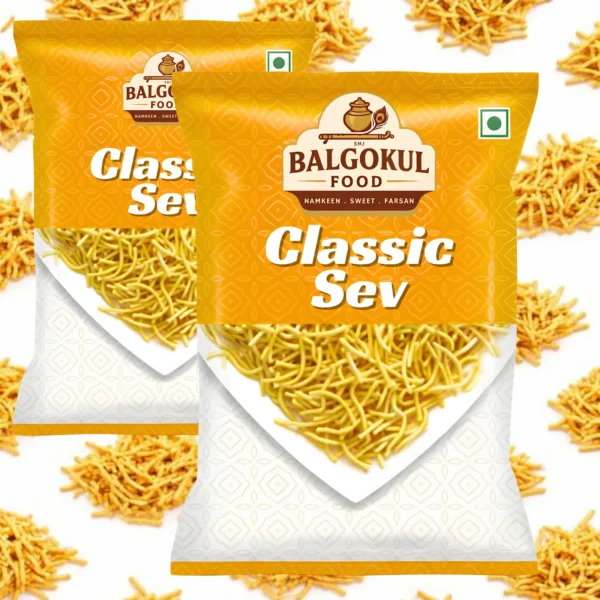
Why BalGokul Foods Classic Sev Reflects Besan’s Strength
Besan vs Wheat Flour: 9 Powerful Differences Every Indian Kitchen Should Know
₹38.00
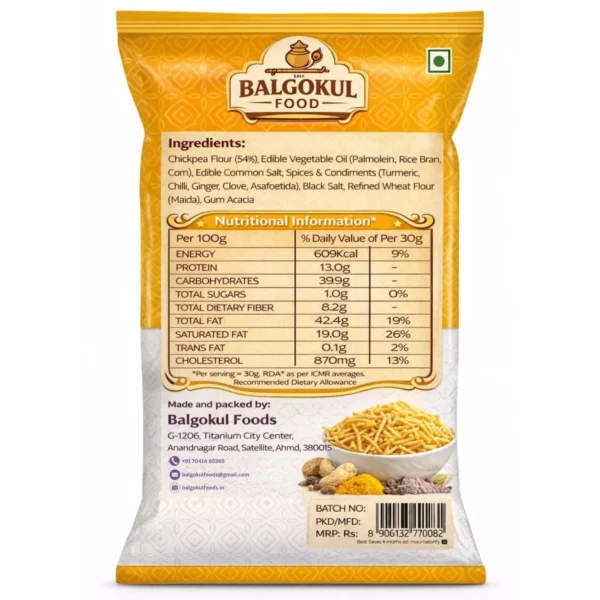
Enjoy the timeless taste of everyday namkeen with BalGokul Foods Classic Sev. Prepared using high-quality chickpea flour and blended with traditional Indian spices, this sev offers a perfectly balanced crunch with mild spice notes.
In stock
| Ingredient | Purpose |
|---|---|
| Besan (gram flour) | Provides base structure |
| Salt | Flavor balance |
| Mild spices | Traditional taste |
| Edible oil | Crisp texture |
Because besan forms the base of sev, the conversation around besan vs wheat flour highlights how gram flour plays a central role in Indian farsan traditions.
5. Texture and Cooking Results
Texture plays an important role when comparing besan vs wheat flour.
Besan tends to create crisp or dense textures depending on how it is used. It binds well when mixed with water and spices, making it ideal for batters and snack doughs.
Wheat flour produces elastic dough due to gluten formation. This elasticity allows it to stretch and form soft rotis or breads.
These differences show why besan vs wheat flour is not simply a nutritional debate — it is also about cooking behavior.
6. Gluten Content
Ad
Discover the Taste Authentic Indian Snacks in UK | SignUP and Get £30 FREE Wallet Credit
Get the £30 FREE Wallet Credit
Sign UP Now →One of the most discussed aspects of besan vs wheat flour is gluten.
Besan is naturally gluten-free. This characteristic allows it to be used by individuals who prefer gluten-free foods.
Wheat flour contains gluten, which contributes to dough elasticity. Gluten is responsible for the structure of breads and rotis.
Because of this difference, the topic of besan vs wheat flour often appears in global conversations about gluten-free diets.
7. Role in Gujarati Snack Culture
Gujarati cuisine demonstrates the practical side of besan vs wheat flour.
Many traditional farsan snacks rely heavily on gram flour.
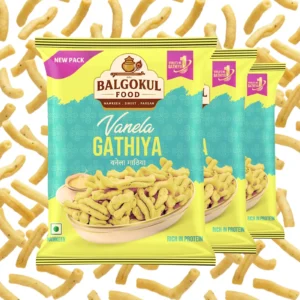
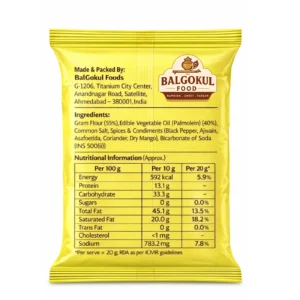
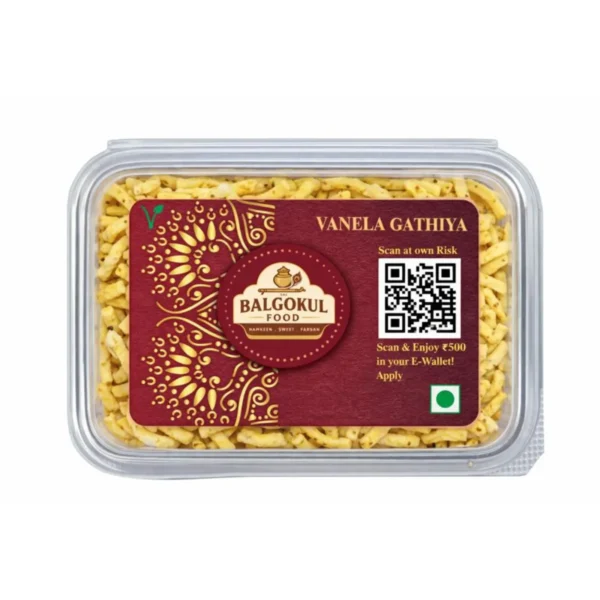
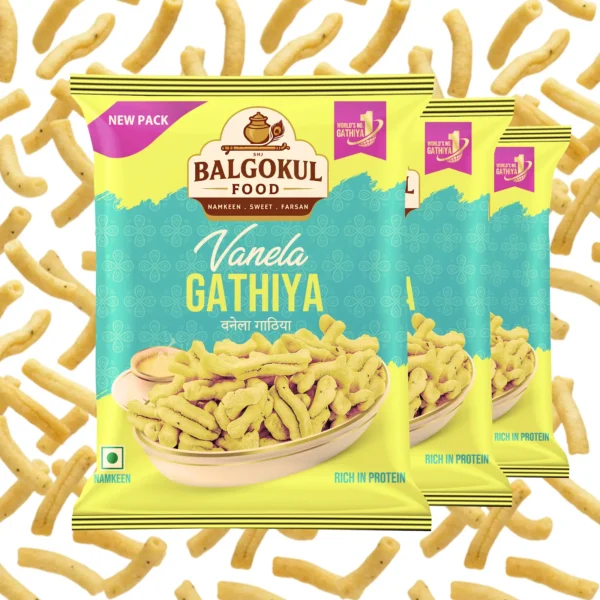
Why BalGokul Foods Vanela Gathiya Represents Besan-Based Snacks


Besan vs Wheat Flour: 9 Powerful Differences Every Indian Kitchen Should Know
₹35.00
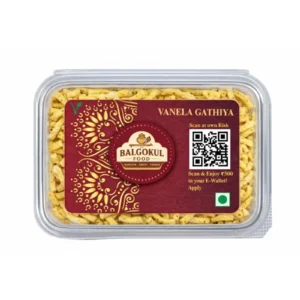
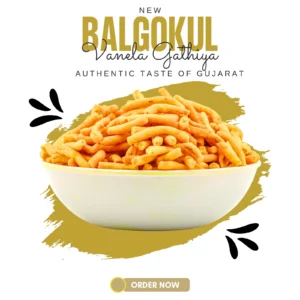
Experience the authentic taste of tradition with BalGokul Foods Vanela Gathiya. Made using premium gram flour and slow-fried to golden perfection, this classic Gujarati snack delivers a light, crispy texture with a subtle blend of…
In stock
| Ingredient | Purpose |
|---|---|
| Besan | Core ingredient |
| Ajwain | Aroma |
| Salt | Flavor |
| Oil | Crisp texture |
The use of gram flour in snacks such as gathiya shows how the comparison of besan vs wheat flour reflects regional culinary traditions.
8. Energy and Satiety
Energy release also plays a role when discussing besan vs wheat flour.
Besan’s protein and fiber content often contribute to longer satiety. This means meals made with gram flour can keep individuals feeling satisfied for longer periods.
Wheat flour provides steady carbohydrate energy that fuels daily activity.
These differences highlight why besan vs wheat flour should be understood as complementary ingredients rather than competitors.
9. Cultural Importance in Indian Cooking
Ultimately, the comparison of besan vs wheat flour reflects the diversity of Indian food culture.
Wheat flour dominates staple meals across northern India, while besan contributes significantly to snack traditions, festive foods, and regional dishes.
Rather than replacing one with the other, Indian cooking has historically balanced both ingredients to create variety and nutritional diversity.
Why Both Ingredients Continue to Matter
The conversation around besan vs wheat flour is not about deciding which ingredient is superior. Instead, it reveals how different foods evolved to serve different purposes.
Wheat flour supports staple meals such as rotis and breads. Besan contributes to snacks, batters, and traditional farsan recipes.
Together, they represent the foundation of Indian culinary traditions.
Conclusion
The growing interest in besan vs wheat flour shows how modern consumers are beginning to examine traditional ingredients more closely. As people become more aware of nutrition, digestion, and ingredient sourcing, understanding the role of these flours becomes increasingly valuable.
Besan offers plant-based protein, fiber, and versatility in snack preparation. Wheat flour provides structural strength for breads and staple dishes that form the backbone of daily meals.
When viewed through the lens of Indian culinary history, besan vs wheat flour is not a competition but a partnership. Both ingredients have supported generations of cooking traditions across households, festivals, and regional cuisines.
Whether used in crispy farsan snacks like sev and gathiya or in soft rotis served with everyday meals, the balance between these two flours demonstrates the wisdom of Indian cooking practices.
Ultimately, the conversation about besan vs wheat flour reminds us that traditional ingredients often contain the answers modern food culture continues to rediscover.
Frequently Asked Questions
Flour stands out due to its ingredients and taste profile. The post highlights what separates it from regular alternatives.
Freshness, ingredients, and packaging quality are important. The guide explains what signals a better product.
The article describes the preparation style of Flour and how it contributes to texture and flavor.
Yes, when enjoyed in moderation, Flour can be a satisfying everyday snack. The article discusses its appeal and balance.
People prefer Flour because of its flavor, freshness, and consistency. The article explains how quality and preparation influence the experience.